39 reading food labels in australia
Understanding food labels: How to read Australian nutritional panels Under FSANZ rules, these labels must reveal how much of the following is in the product: Energy (in kilojoules or both kilojoules and calories) Protein Fat Saturated fat Carbohydrates Sugars Sodium (salt) These contents must show average amount per 100g (or 100ml for liquids) and per serving. A breakdown of what's on nutrition labels PDF Reading Food Labels like a pro - Nutrition Australia healthy at work • an naq nutrition program • for more information visit or email healthyatwork@naqld.org Reading Food Labels Like a Pro NAQ Nutrition | 12/212 Curtin Ave West EAGLE FARM Qld 4009 | ph (07) 3257 4393 fax (07) 3257 4616
Reading food labels & nutrition panel - Diabetes Queensland Reading food labels When choosing packaged food, choose products with: lower energy (kilojoules) if you are trying to lose weight lower total and saturated fat lower sugar lower sodium higher fibre Every food label tells a story and the Nutrition Information Panel simply gives you the facts.
Reading food labels in australia
PDF Food Labels What do they mean? - Food Standards Foods such as peanuts, tree nuts (e.g. cashews, almonds, walnuts), shellfish, finned fish, milk, eggs, sesame and soybeans and their products, when present in food, may cause severe allergic reactions and must be declared on the label however small the amount. Labelling - Food Standards Food labels also help to protect public health and safety by displaying information such as use by dates, ingredients, certain allergens, instructions for storage and preparation, and advisory and warning statements. FSANZ sets standards for what information must be on food labels. FSANZ has developed information on a range of labelling topics. Reading food labels - Food Allergy Education How to read food labels that meet the new PEAL law Under the new PEAL law, common food allergens are to be listed with the plain English name alongside the actual ingredient name. This is shown in the label example below. In the statement of ingredients, declarations must: Be in bold font. Have bold font contrasting distinctly with other text.
Reading food labels in australia. Labelling - Food Standards The Food Standards Code includes the general labelling and information requirements (Chapter 1 of the Code) that are relevant to all foods, and sets out which requirements apply in different situations (for example food for retail sale, food for catering purposes, or an intra-company transfer). Food labels: a guide to reading nutrition labels - MyDr.com.au Solid foods labelled as 'low-fat' must not contain more than 3 grams of fat per 100 gram; 'low-fat' liquid foods must not contain more than 1.5 grams of fat per 100 mL. Only foods that are low fat can use a fat-free claim. Labels can therefore only claim that a food is 97%, 98% or 99% fat free. 'Low cholesterol'. How to read a food label - Healthy Kids Phone 02 9876 1300 or 1300 724 850 for those outside of Sydney. Understanding food labels fact sheet - NDSS Food labels will typically include a nutrition information panel, list of ingredients, the 'use by' or 'best before' date and identify potential food allergens and additives. Food labels also tell you the amount of carbohydrates (carbs) you eat and drink. This can help you manage your blood glucose levels.
Food labels - Better Health Channel Under labelling laws introduced in Australia in 2003, virtually all manufactured foods must carry an NIP. There are exceptions to the labelling requirements, such as: very small packages and foods like herbs, spices, salt, tea and coffee single ingredient foods (such as fresh fruit and vegetables, water and vinegar) food sold at fundraising events How to understand food labels - Eat For Health The Nutrition Information Panel on a food label offers the simplest and easiest way to choose foods with less saturated fat, salt (sodium), added sugars and kilojoules, and more fibre. It can also be used to decide how large one serve of a food group choice or discretionary food would be and whether it's worth the kilojoules. How to read food labels in Australia: Find nasties and real nutritional ... My advice for reading food labels is to look at the 'per 100g' values, as 'per serve' can often be misleading if you're likely to eat more than the suggested serving size. The 'per 100g' column is also the most useful for comparing products to assess their sugar, protein, sodium and fat content. Reading food labels to avoid food allergies and intolerances Reading food labels to avoid food allergies and intolerances In Australia all packaged foods must include a food label. Food labelling is governed by Food Standards Australia New Zealand (FSANZ). Nutrition information is found in two places on a food label: the ingredient list and the nutrition information panel. Sample food label
Label reading - Baker Fact sheets. Label reading. This fact sheet gives you guidance on understanding how to read nutrition information panels to help you identify healthy choices. This fact sheet will allow you to identify processed and packaged foods that are: lower in energy (kJ) lower in saturated and trans fat. lower in sugar. lower in sodium (salt) Food labelling | NSW Food Authority Food labelling. All food sold in Australia must comply with the Australia New Zealand Food Standards Code for labelling. Sometimes there are other requirements too - for example, total weight and measure statements are regulated by the National Measurement Institute. Everything said about a food on the label is also subject to Australian ... Healthy Eating Active Living - How to read food labels and menus The Health Star Rating (HSR) is a quick and easy way to choose healthier packaged food and drink. The HSR takes the hard work out of reading food labels by rating food and drink from half a star to 5 stars - the more stars, the healthier the choice! For products without a Health Star Rating on the label you can use the FoodSwitch Application. Reading food labels - tucker talk tips - Better Health Channel Dietitians Association of Australia Tel. 1800 812 942; Things to remember. Labels on packaged food can give you useful information about the nutrition, ingredients, storage and weight of the food. Ingredients are listed in order from those that are present in the greatest amount to those that are present in the smallest amount.
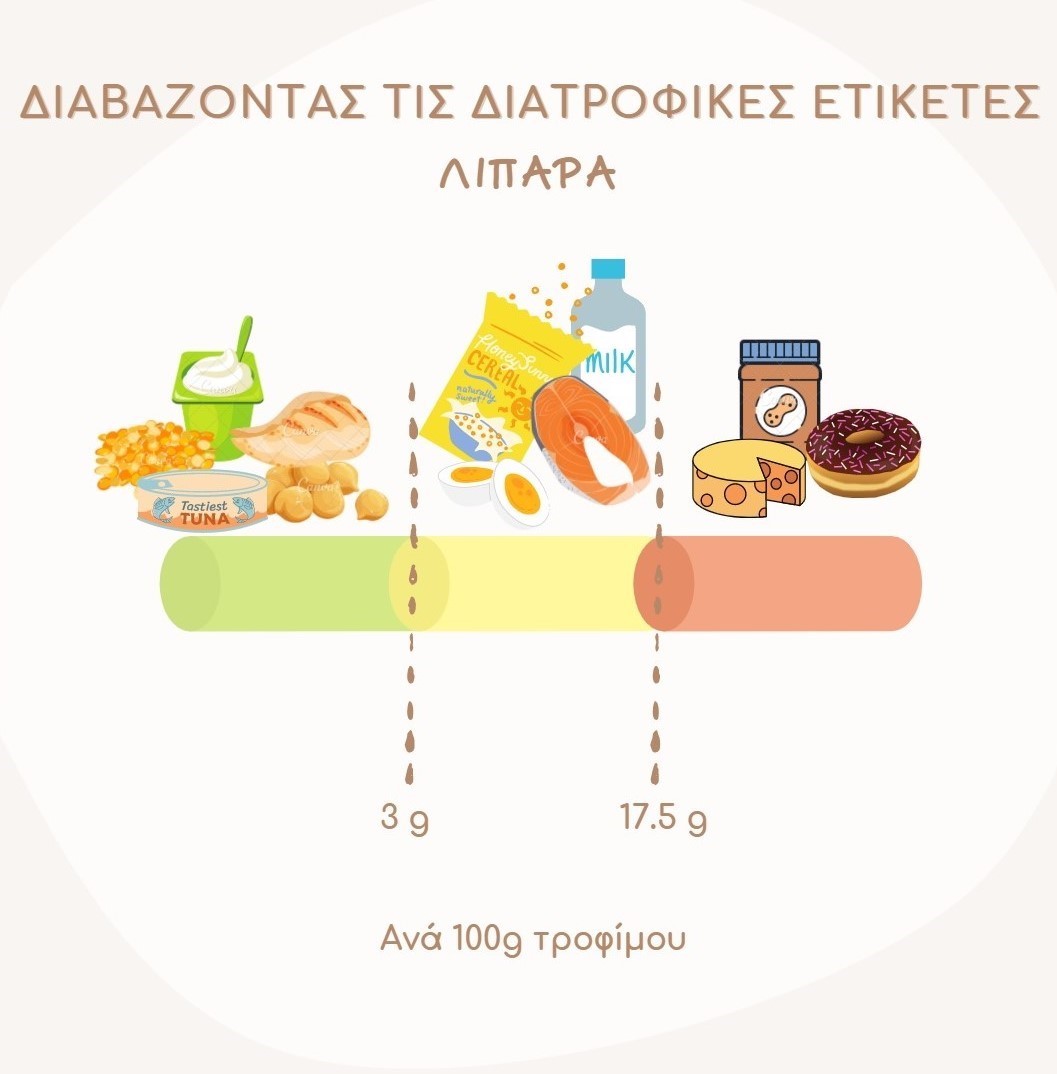
Διατροφικές ετικέτες: ποιες πληροφορίες μας δίνουν; - nutribase.gr
Labelling poster - how to read food labels This interactive resource explains the food labelling requirements set out in the Food Standards Code and what that information means. Click on the numbers to find out more about food labelling. A useful poster is also available. You can download a copy here (PDF 372KB), or for a printed A2 version please email information@foodstandards.gov.au.
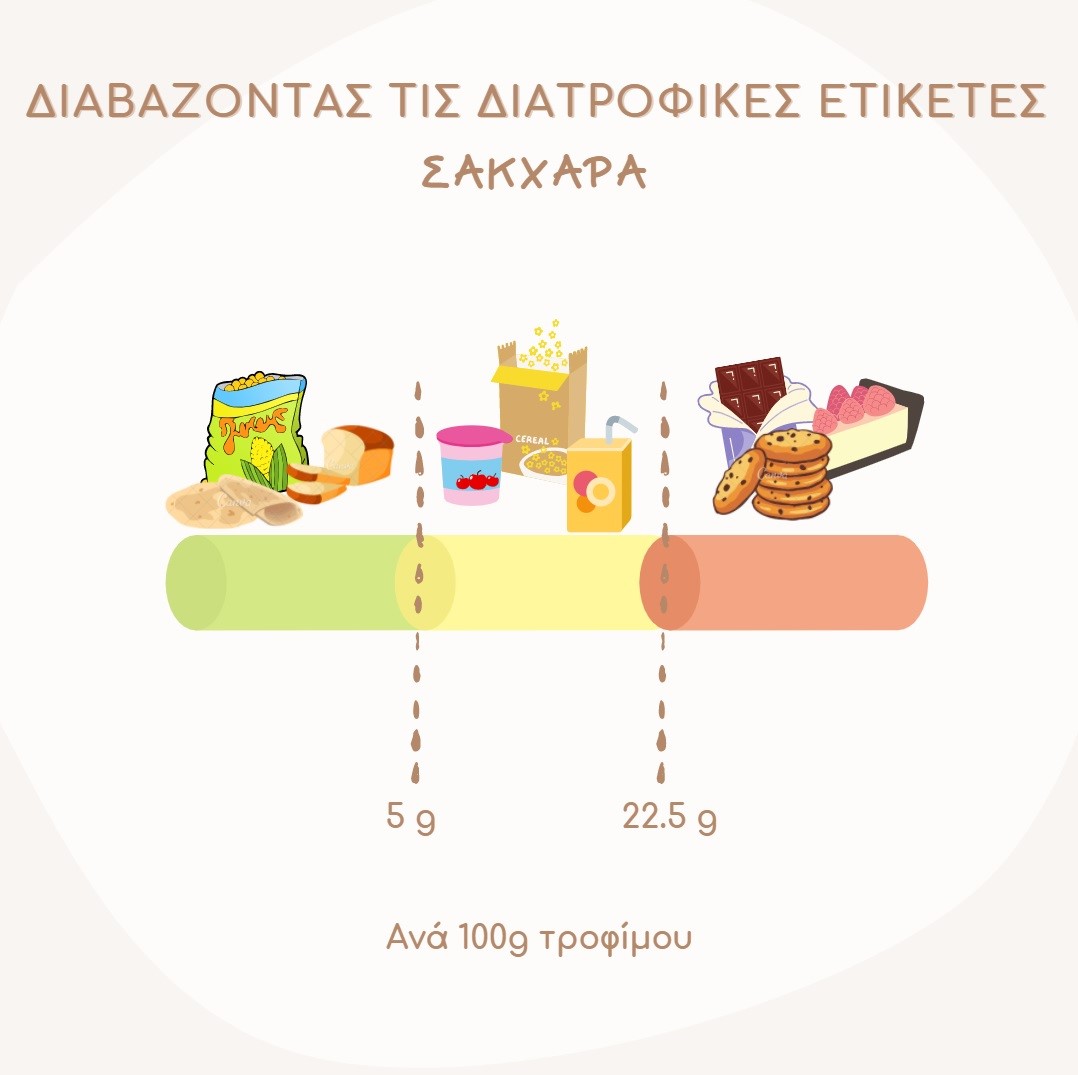
Διατροφικές ετικέτες: ποιες πληροφορίες μας δίνουν; - nutribase.gr
Nutrition information panels - Food Standards Nutrition information panels (NIP) on food labels provide information on the average quantity of energy in kilojoules or in kilojoules and kilocalories and these nutrients: protein fat saturated fat carbohydrate sugars sodium - a component of salt. A NIP will include information about other nutrients if a claim is made.

How to Read a Food Label (With images)
Reading food labels Reading food labels . Understanding how to read food labels can help you make healthy food choices. Food Standards Australia and New Zealand (FSANZ) regulates food labelling in Australia. Most packaged food and drink must have a nutrition information panel. Exceptions include those in very small packages, some baked products and take-away food ...

PDF Food label reading guide - nutritionaustralia.org • The more stars out of five, the healthier the food or drink choice. Food labels Reading food and drink labels can help us make healthy choices. Food and drink labels will include information about the product, where and when it was made and a statement of ingredients, as well as any warnings or allergen statements. Most food or drink packages

In a New Aisle, Energy Drinks Sidestep Some Rules - The New York Times
How to read food labels | New Idea Magazine Food identification. Food labels must show the name of the food, the business address and the lot identification of the food. The FSANZ states that brands need to ensure the food's name or description reflects its true nature. For example, if a strawberry yoghurt contains strawberry flavouring rather than real fruit, it needs to be called ...

Common Orchid Problems and How to Fix Them | Espoma
PDF Reading food labels Reading food labels Developed by NAQ Nutrition with funding received from the Queensland Government funded Smart Choices Initiative. Understanding the information on a food label is essential for making healthy food choices. This fact sheet provides information on what to look for when reading a food label.

Why reading food labels is so important!
Food label reading guide | Nutrition Australia What to look for when reading food and drink labels (per 100g) Health Star Ratings The Health Star Rating is a front of pack labelling scheme which can be used to make healthier food choices at a glance. The rating range is from ½ - 5 stars and the more stars, the healthier the choice. Recommended minimum star ratings for food and drink categories

5 Tips for Reading Food Labels
How to read food labels | healthdirect In Australia, the law requires all manufactured foods to carry labels containing safety and nutrition information. This information helps you to make decisions about the food you buy and eat so you can follow a healthy diet. The label will tell you: the name of the product, describing accurately what it is the brand name

PDF how to understand food labels - Eat For Health Not all labels include fibre. Choose breads and cereals with 3g or more per serve Nutrition Information Servings per package - 16 Serving size - 30g (2/3 cup) Per serve Per 100g Energy 432kJ 1441kJ Protein 2.8g 9.3g Fat Total 0.4g 1.2g Saturated 0.1g 0.3g Carbohydrate Total 18.9g 62.9g Sugars 3.5g 11.8g Fibre 6.4g 21.2g Sodium 65mg 215mg

Food Literacy: Reading Labels (Part 2)
Reading food labels - Food Allergy Education How to read food labels that meet the new PEAL law Under the new PEAL law, common food allergens are to be listed with the plain English name alongside the actual ingredient name. This is shown in the label example below. In the statement of ingredients, declarations must: Be in bold font. Have bold font contrasting distinctly with other text.

Geography Worksheets Countries, Continents, Maps • EasyTeaching.net
Labelling - Food Standards Food labels also help to protect public health and safety by displaying information such as use by dates, ingredients, certain allergens, instructions for storage and preparation, and advisory and warning statements. FSANZ sets standards for what information must be on food labels. FSANZ has developed information on a range of labelling topics.

Múinteoir Sinéad's Class: Amazon Rainforest Foods
PDF Food Labels What do they mean? - Food Standards Foods such as peanuts, tree nuts (e.g. cashews, almonds, walnuts), shellfish, finned fish, milk, eggs, sesame and soybeans and their products, when present in food, may cause severe allergic reactions and must be declared on the label however small the amount.
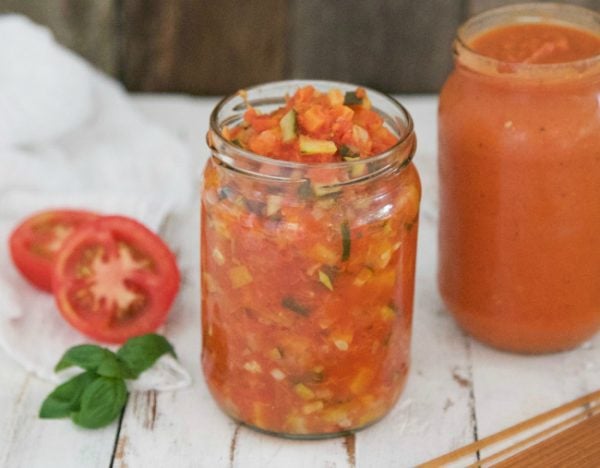
How to read food labels in Australia: Find nasties and real nutritional value.
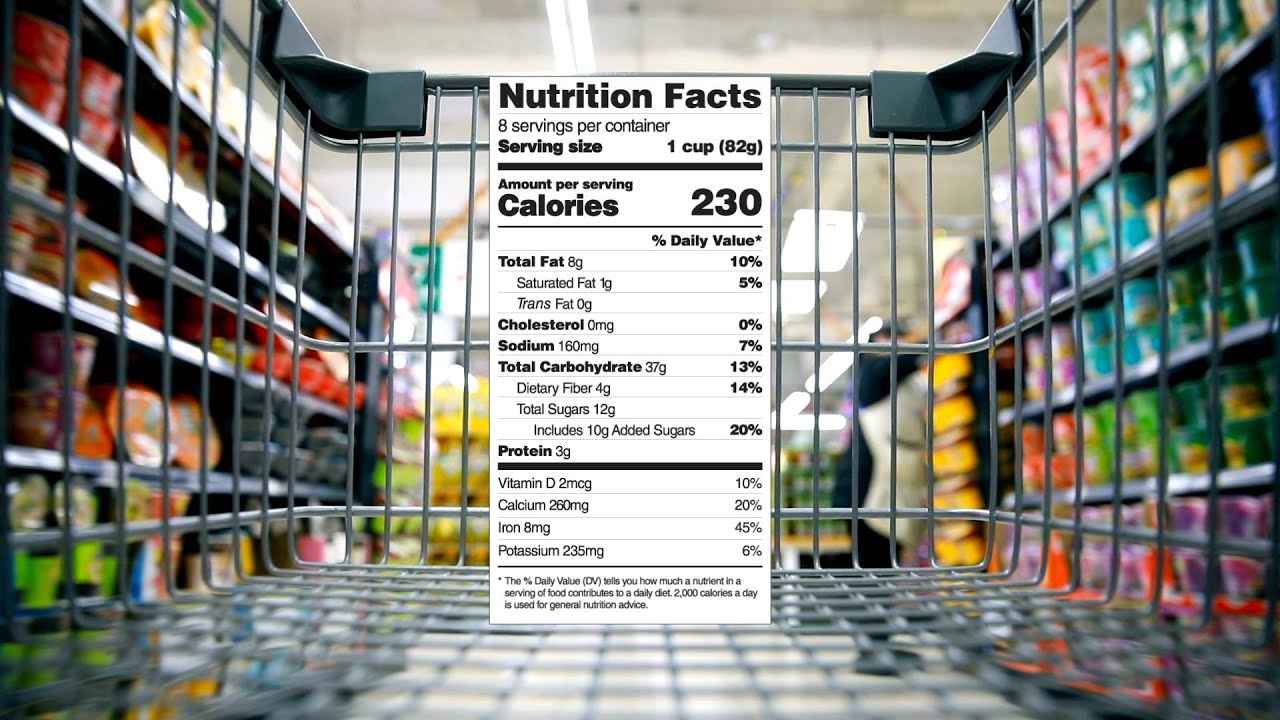
Reading the Food Label - YouTube

Sony Music Logo Wordmark Sony Entertainment Network PNG, Clipart, Brand, Entertainment, Line ...
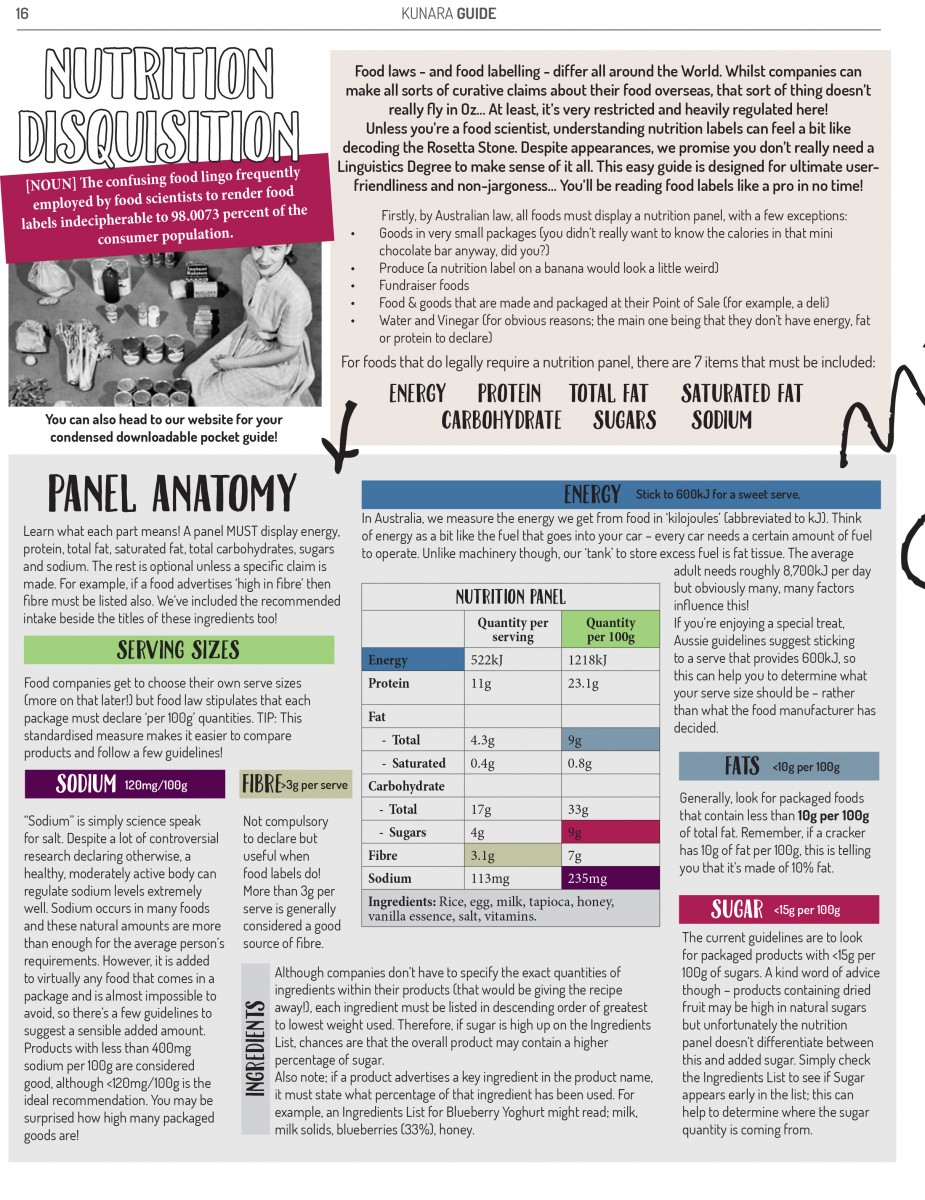
Guide to reading Food Labels - Kunara

Post a Comment for "39 reading food labels in australia"