41 fire extinguisher classification labels
What is a Dry Chemical Fire Extinguisher? | Exact Recon "ABC," which indicates that they can fight Class A, B or C fires "BC," which indicates that they can only extinguish Class B and Class C fires Fire extinguishers labeled "ABC" are very common, and they may be the most useful around the house. Related: A Word on ABC Fire Extinguishers Fire Extinguisher Types and What They Are Used For The most common fire extinguisher type in incidents of Class B-type fires. Consider, as foam extinguishers are water-based, these types of extinguishers can be used on Class A-type fires, also. Much like water extinguishers, the foam variety can be used to put out fires caused by organic material such as cardboard, coal and fabrics.
onlinesafetydepot.com › what-is-the-nfpa-10What is the NFPA 10? Understanding Portable Fire Extinguisher ... Any fire extinguisher removed for repairs or maintenance must be replaced with a suitable fire extinguisher that is designed to protect against the hazards of that area and rating must meet standards to protect that area. 3- Tags or Labels. Tags or labels must be affixed to the fire extinguisher to record maintenance or recharge dates.

Fire extinguisher classification labels
New Fire Extinguisher Regulations - Safe Boating Campaign The new regulation puts a 12-year expiration on all disposable (non-rechargeable) fire extinguishers. A boater should look for the manufacture date on the bottom of the bottle or near the URL label. It may appear as two or four digits (e.g., 08 or 2008). The 12-year expiration date puts the U.S. Coast Guard regulations in line with the National ... Types Of Fire Extinguishers Uses And Technique - Chemical Tweak 5. Wet Chemical. Wet Chemical fire extinguishers are used on fires involving combustible cooking media such as burning oil and fat. Wet chemicals form a layer over the burning oil and fat and results in starves the fire of oxygen. This breaks the fire triangle and helps in extinguish the fire. Fire Extinguisher Numbers Explained - Hunker Each number equals 1.25 gallons of water. So a "1" next to the A means the extinguisher has the equivalent of 1.25 gallons of water, a "2" equals 2.5 gallons and so on. Numbers with the letter B refer to how many square feet of fire the extinguisher can put out. So 4B means the fire extinguisher can douse a 4-square-foot fire caused by ...
Fire extinguisher classification labels. Types of Fire Extinguishers - CSCS Test Revision Carbon dioxide (co2) - Black. Water - Red. Dry powder - Blue. AFFF Foam - Cream. Wet Chemical - Yellow. As you can see, there are 5 different types of fire extinguisher, but there are a few different versions of the Dry Powder and the Water extinguishers. This means in total there are 8 types you can use. en.wikipedia.org › wiki › Fire_extinguisherFire extinguisher - Wikipedia A fire extinguisher is an active fire protection device used to extinguish or control small fires, often in emergency situations. It is not intended for use on an out-of-control fire, such as one which has reached the ceiling, endangers the user (i.e., no escape route, smoke, explosion hazard, etc.), or otherwise requires the equipment, personnel, resources and/or expertise of a fire brigade. › blog › fire-extinguisherFire Extinguisher Colours and Uses | Comprehensive Guide Jun 18, 2021 · Fire Extinguisher Colours and Uses. More about Red Fire Extinguishers. There are two types of fire extinguishers that have a red label: water spray and water mist fire extinguishers. They are both water-based and they kill the fire by cooling down the heat source of the fire to the point where the flames are completely smothered. Coast Guard: New Rules for Fire Extinguishers - Cruising Odyssey This is the result of phasing out older "B-I" and "B-II" labels for newer "5-B" "10-B" and "20-B" extinguisher classifications. The number in this new rating refers to the size in square feet of the potential fire the device is suitable to extinguish and not the exact weight of the dry chemical inside the bottle.
Fire Extinguisher Types | NFPA AFFF (aqueous film-forming foam) and FFFP (film-forming fluoroprotein) fire extinguishers are rated for use on both Class A and Class B fires. As the name implies, they discharge a foam material rather than a liquid or powder. They are not suitable for use in freezing temperatures. Clause 11.6 Fire Safety Serial Labels and Declarations of Compliance - SCDF 11.6.3 Traceability of certified PLS-listed products. a. Serial labels affixed to regulated fire safety products shall be water-proof and tamper-proof, and shall include a Quick Response (QR) code that stores the following information on an online database, which can be read by scanning the QR code: (5) Exact location, including unit number ... Different Types of Fire Extinguishers - venusfireprotection Each extinguisher is designed for a certain fire class. The six main types are powder, water mist, water, foam, CO2, and wet chemical. The fire classification system breaks down the types of fires into groups based on the fuel involved. For example, fires caused by a combustible liquid such as oil or alcohol are considered a Class B fire. Fire Extinguishers - Portable : OSH Answers Mark or label all fire extinguishers clearly with the class of fire it is to be used for. Make sure that the operating instructions always face outward. Maintain extinguishers in a fully charged and operable condition. Keep extinguishers in the designated places at all times (except during use). Visually inspect portable fire extinguishers monthly.
Boat Fire Extinguisher Regulations, Classes & Maintenance Fire Extinguisher Classification Fires are classed depending on their fuel source: solid, liquid or electrical. Each fire burns differently and requires a specific type of extinguisher. That's why every fire extinguisher is marked with a letter, like A, B or C. What is the Meaning of the Ratings for Fire Extinguishers? Class A - Combustible materials Class B - Flammable liquids Class C - Flammable gases Class D - Burning metals Class E - Electrical fires Class F - Cooking oils and fats Since Class A, B, and C fires are all found in conventional homes and businesses, ABC fire extinguishers are designed to put out all three types of fires. Fire Extinguisher Ratings Fire Extinguisher Label Images, Stock Photos & Vectors - Shutterstock Fire Extinguisher Label Images, Stock Photos & Vectors | Shutterstock fire extinguisher label images 10,885 fire extinguisher label stock photos, vectors, and illustrations are available royalty-free. See fire extinguisher label stock video clips of 109 › courses › modsPortable Fire Extinguisher OSHAcademy free online training A fire extinguisher works much like a can of hair spray. All portable fire extinguishers must be approved by a nationally recognized testing laboratory to verify compliance with applicable standards. Equipment that passes the laboratory's tests are labeled and given an alpha-numeric classification based on the type and size of fire it will ...
_8_files/image002.jpg)
There are several types of fire extinguishers which can sometimes be identified by their color ...
Is It Illegal To Remove a Fire Extinguisher Label? - SelectSafety Yes, if you do not own the fire extinguisher, taking off or damaging a fire extinguisher label is considered tampering or tresspassing, and could be punishable by law. This could result in a misdemeanor charge, fine, or both. The reason is, even the label of a fire extinguisher is considered property of the owner.
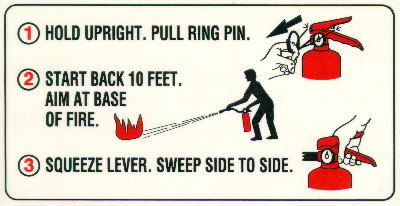
fire extinguisher
The 4 Classes of Fire Extinguishers and How They Differ Class B. There are class B fire extinguishers as well. Class B fire extinguishers are a step up from their class A counterparts. While class A fire extinguishers are designed exclusively for paper- and wood-based fires, class B fire extinguishers are designed for flammable liquids. They can put out fires involving flammable liquids.
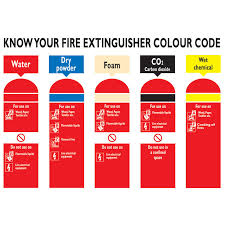
Fire Extinguishers
Fire Extinguisher Inspection Checklist | Download PDF | SafetyCulture Label, extinguisher type, and instructions should be easy to read. Extinguisher handle is intact and not bent or broken. Pressure gauge is in the green and is not damaged or showing "recharge." The discharge hoses/nozzle is in good shape and not clogged, cracked, or broken. Make sure it is full by turning it upside down at least three times.
Post a Comment for "41 fire extinguisher classification labels"