44 why food labels are required on some foods
Does all food need a label? - Safe Food & Water Food labels are important in order to allow customers to make informed choices about the food they buy. The label provides the information one needs to contact the manufacturer. Label laws are intended for your safety and protection. Without them, who would you, or a regulating agency, contact if there is a problem with the food? Why food labels are important for consumers? - dnaindia.com In general, while reading the read Nutrition Facts Labels, one is looking for foods that are high in fiber, vitamins, and minerals and low in sugar, sodium, cholesterol, and fats (especially saturated fat and trans fat). The diet mantra is to choose foods that are low in fat, low in calories, low in cholesterol and high in fiber.
Why Is Reading Food Labels Important? | livestrong Checking food labels for the fiber content plays a role in helping you increase your intake. For instance, not all brown breads contain rich amounts of fiber, and some manufacturers use coloring to make bread look healthier, so it's crucial to read the label. Getting the Most Out of Food Labels

Why food labels are required on some foods
The Importance of Food Labels - The Joint In many developed countries, food labeling is absolutely necessary. Not only do we need food labeling to tell us what is being put into our food, but it is required by law in an effort to let consumers know what they are putting into their bodies and how to make choices in their dietary and nutritional efforts. FDA Food Product Labeling & Packaging Requirements - ESHA The Nutrition Facts Label is used to communicate important information about the food consumers eat. The FDA also governs what label format to use on your product based on package size and contents. The Nutrition Facts Label must show: Serving size ( Consult the RACC to determine this) Household measure/common household unit Servings per container What is required on a food label? - USDA A meat and poultry label is required to contain 8 features. These are: the product name, inspection legend and est. number, handling statement, net weight statement, ingredients statement, address line, nutrition facts, and safe handling instructions. These requirements are found in the Code of Federal Regulations (9CFR 317.2/381 Subpart N).
Why food labels are required on some foods. The Importance of Food Labels | Requirements for Packaging Food labels are a legal requirement and they are important for many reasons. They help consumers make informed choices about the food they buy, help them to store and use it safely and allows people to plan when they will consume it - all of which help to reduce food wastage. Why are some foods required to have nutrition information labels and ... Packaged foods and preservative rich foods are expected to have labels because food companies are required to label the food because of processing. Processed foods contain additives so the FDA will maintain what goes into these foods by requiring labeling. Meghna Ray Mondal Food labels - Better Health Channel Food labels carry useful information to help you make informed choices about what you and your family eat and drink. Most packaged foods are required to have a label with this information, but the information required depends on the food type. The food label will tell you all sorts of information, including: what the food is manufacturer's details Top Reasons Why Having Food Labels is Important | Sticky Biz Food labels are also important in helping customers avoid health risks, especially if they have allergies or ingredients they should avoid. By keeping your customers informed of the potential risks to their health, you help them decide on the best product for them - and food labels play a key role in this. Instructions
Food Product Labeling Basics | Oklahoma State University The FDA requires that a food label "conspicuously" identify a product's manufacturer, distributor or packer and provide their address as well. The name, city, state and zip code of the food manufacturer, distributor or packer may be listed on either the PDP or the information panel. Packaging and labelling | Food Standards Agency Some foods are exempt from the need to display an ingredient list, for example: fresh fruit and vegetables, carbonated water and foods consisting of a single ingredient etc. For further information about the legal requirements that apply to naming the food and listing ingredients, please visit our Food Information Regulations 2014 summary guidance. Food labelling - Food and nutrition | NHS inform Nutrition labels must display the amount of energy (calories and kilojoules) and the amount of fat, saturated fat, carbohydrates, sugars, proteins and salt (all expressed in grams) present in 100g (or 100 ml) of the food. In addition to the mandatory requirements above, nutrition information may also be expressed per portion provided the number ... Through food labels, it will be more obvious that some foods will be much healthier compared to others. This may give people an incentive to switch to healthier food consumption behavior. May motivate people to eat healthier Food labels may also motivate people to switch to a healthier diet in the long run.
Food Labels Guide & Examples | How to Read Nutrition Labels - Video ... Food labels can be found on most packaged food items as required by the U.S. Food and Drug Administration (FDA). Food labels provide consumers with information about the nutrient content of a product. Six reasons why food labelling is important Here are six reasons why food labelling is important: 1. Keep healthy - Labels help you to understand the composition of your food: its vitamins, minerals, calories, fats, etc. This information is fundamental in ensuring that you are eating the kinds of food that are good for you. Food Labels Explained - Farm Aid There are many different food labels that contain information about how food was grown or processed. However, some labels can be misleading. Below are examples of labels to look for and ask questions about at the store or market where you see them. Certified Labels Organic USDA's National Organic Program regulates labeling requirements for organic agricultural products. Organic labels can be ... Why we need mandatory labeling of GMO products - STAT Mandatory labeling is good for consumers because it will help them be fully informed and less confused when they consider buying GMO products.

The Thing About Calorie Counts... | PureFormulas
Food Labels | Nutrition.gov Food labels can help you make healthy choices when buying food in grocery stores or restaurants. Labeling Organic Products USDA, Agricultural Marketing Service, National Organic Program Learn about organic foods, requirements, and how they are labeled. Calories on the Menu HHS, Food and Drug Administration
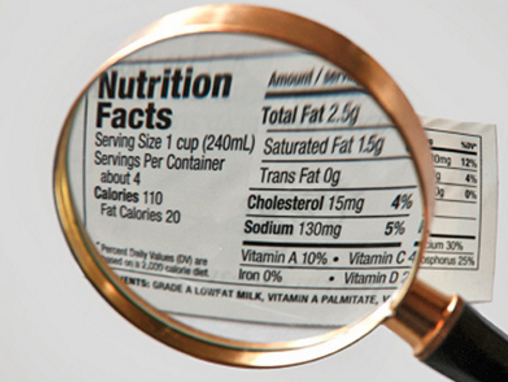
Food Labeling & Nutrition | FDA Food labeling is required for most prepared foods, such as breads, cereals, canned and frozen foods, snacks, desserts, drinks, etc. Nutrition labeling for raw produce (fruits and vegetables) and...
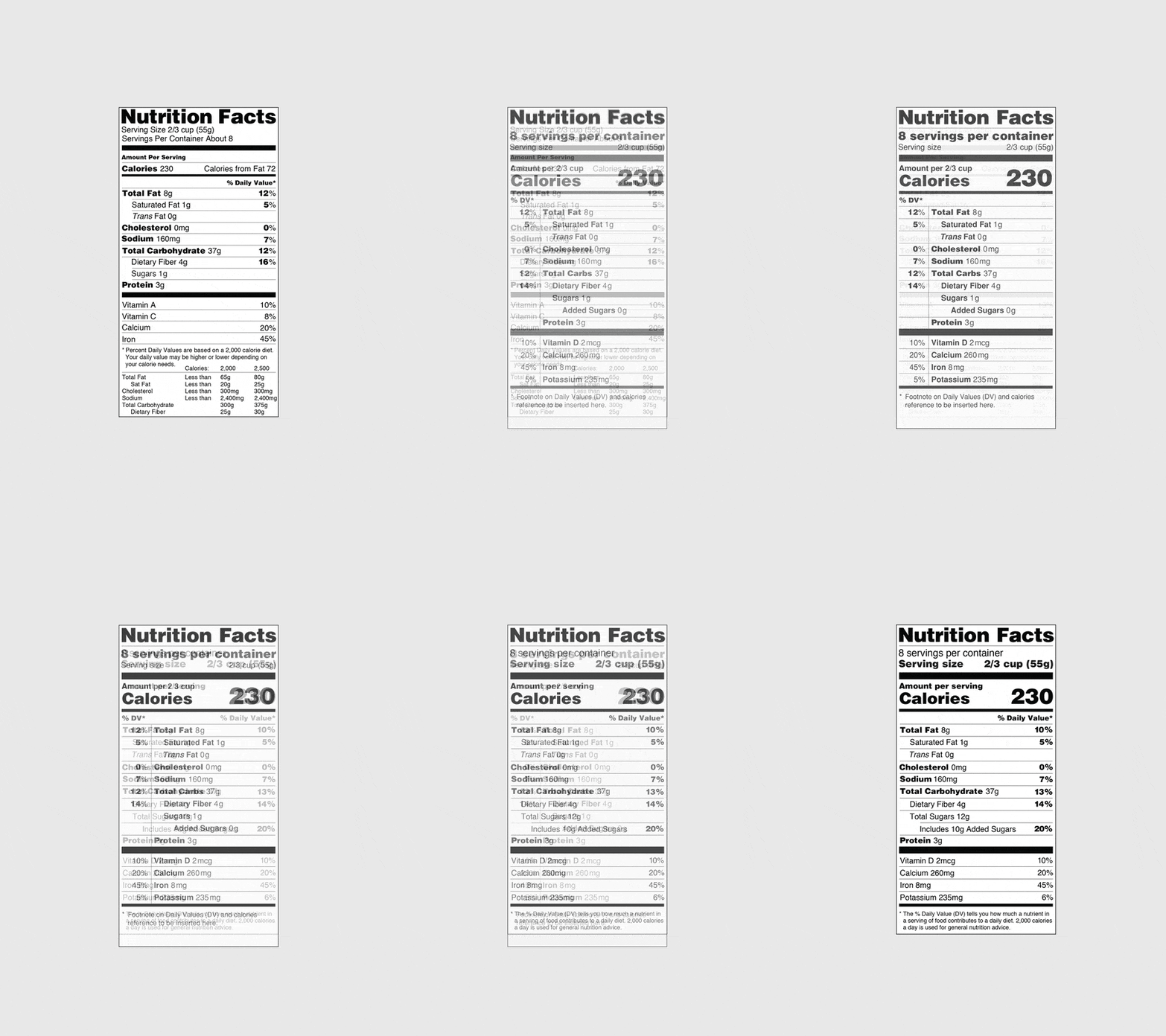
The Plodding 3-Year Process To Redesign The FDA’s Nutri | Co.Design
Food Labeling | Encyclopedia.com There continues to be debate about the exact requirements to label animal products "cage-free," "free-range," or "grass-fed.". Reading a food label. The many descriptive words on a food label cannot be used unless they meet very specific legal requirements. Some of the common descriptions found on FDA-regulated foods are listed below.

PPT - Chapter 2 Nutrition Tools – Standards and Guidelines PowerPoint Presentation - ID:3709769
Food labeling: MedlinePlus Medical Encyclopedia Function. The United States government requires food labels on most packaged foods. The label offers complete, useful, and accurate nutrition information. The government encourages food manufacturers to improve the quality of their products to help people make healthier food choices. The consistent format of the label helps you directly compare ...

what's-on-a-food-label.png (650×1417) | A food, Food labels, Food
What are the Requirements for a Food Label? - Short Food Labeling Guide When labeling mixes of fruits or vegetable juices on the label, you must list the fruits and vegetables in descending order of prominence by volume. The ingredient list is an exception to this rule. And if the label indicates that the juices are only used for flavor, then this rule does not apply. Helpful Resources for Food Labeling

Understanding the food label is so important; you have to know what you're eating! | Nutrition ...
Pros and Cons of GMO labeling | Understanding Today's Agriculture First the pros, labeling which products have GMOs will allow consumers to have knowledge and be able to choose a product they feel is best for their lifestyle and values. Today consumers are all about transparency, GMO labeling will allow for a stronger relationship between producer and consumer. A stronger relationship will allow the trust of ...
What’s on your food label? (Video)
Understanding Food Labels | The Nutrition Source | Harvard T.H. Chan ... The FDA has approved 12 health claims on food labels such as the relationship between calcium and osteoporosis; sodium and hypertension; fiber-containing grains, fruits and vegetables and cancer; and folic acid and neural tube defects.

The Biggest Healthy Food Lies! Read the Nutrition Facts! - Fit Monster
The Importance of Food Labelling | Eufic Ensuring food safety is a shared responsibility between governments, producers, industry and consumers. Food labelling is one way in which consumers can get knowledge about the food they consider buying. Correctly following the information provided on food labels (such as expiry dates, handling instructions and allergy warnings) can help ...

Avoid These Scary Ingredients | 360 Your Life with Brooke Thomas
13 Misleading Food Label Claims and How Not to Be Tricked - Sentient Media The FDA does not have any guidelines for the labeling of foods as low-carb. For this reason, the label can be used on virtually any product. 7. Label Says "Low-Fat" The use of the term low-fat is governed by the FDA, which dictates that products must not contain more than 3 grams of fat per 50 grams.
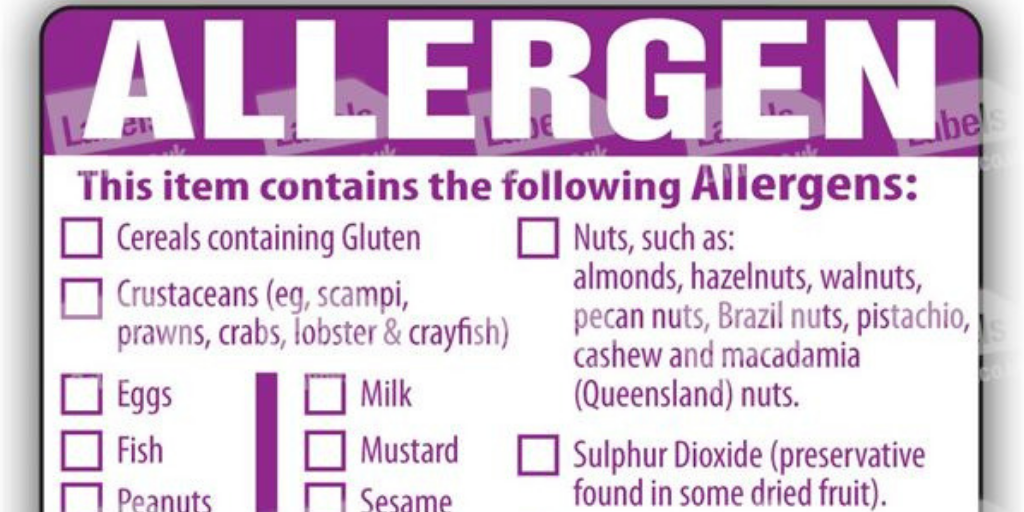
30 What Is Required On A Food Label - Labels For You
Why Labeling Makes Sense | Just Label It In a word, no. While safety is an important question, it is actually not the reason these ingredients and foods need to be labeled. Virtually all of the food and ingredient labeling we see today have no relation to food safety. If an ingredient poses a food safety hazard, we don't label its presence. We ban it from our food.

Life Hacking
The Importance of Reading the Food Label and Nutritional Facts The Importance of Reading Food Labels This information does two things: The Basics of Reading a Nutrition Label 1. Serving Size 2. Calories per Serving 3. Percent Daily Values 4. Nutrient Contents 5. Vitamins & Minerals 6. Ingredient List Putting it All Together Reading food labels makes a big difference when it comes to your family's health.

How to Understand Food Labels - YouTube
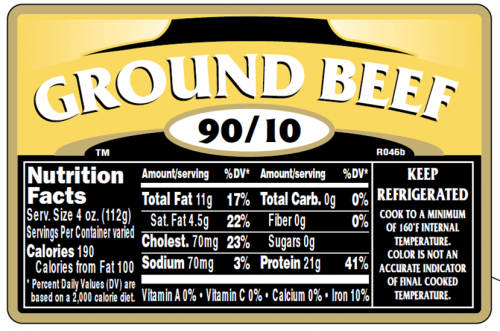
What is required on a food label? - USDA A meat and poultry label is required to contain 8 features. These are: the product name, inspection legend and est. number, handling statement, net weight statement, ingredients statement, address line, nutrition facts, and safe handling instructions. These requirements are found in the Code of Federal Regulations (9CFR 317.2/381 Subpart N).

FDA Food Product Labeling & Packaging Requirements - ESHA The Nutrition Facts Label is used to communicate important information about the food consumers eat. The FDA also governs what label format to use on your product based on package size and contents. The Nutrition Facts Label must show: Serving size ( Consult the RACC to determine this) Household measure/common household unit Servings per container
301 Moved Permanently
The Importance of Food Labels - The Joint In many developed countries, food labeling is absolutely necessary. Not only do we need food labeling to tell us what is being put into our food, but it is required by law in an effort to let consumers know what they are putting into their bodies and how to make choices in their dietary and nutritional efforts.

4 food label cons - How to make healthy food choices | Australian Natural Health Magazine

Food labels
Post a Comment for "44 why food labels are required on some foods"